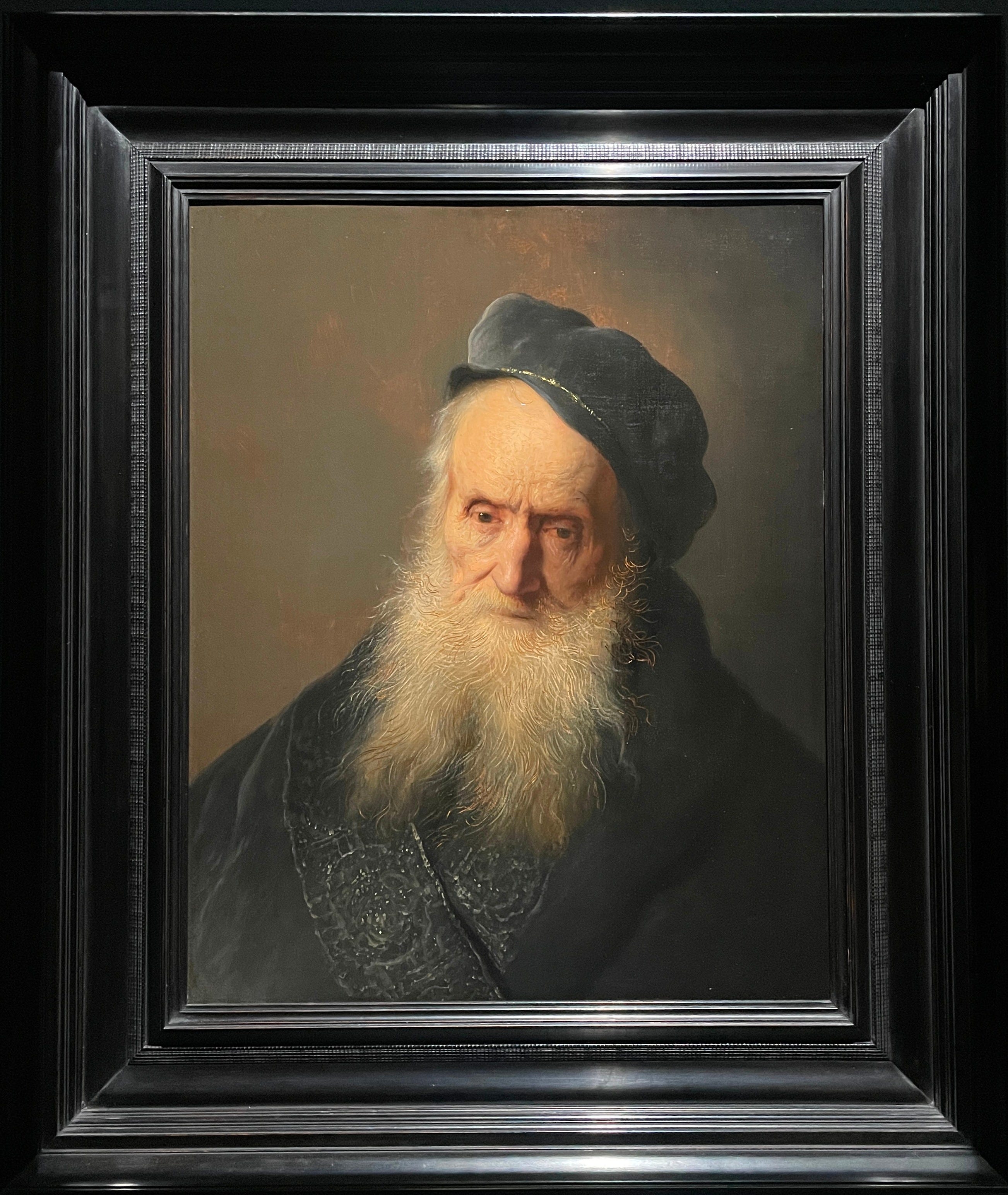
Galactic miracles
On Jan Lievens

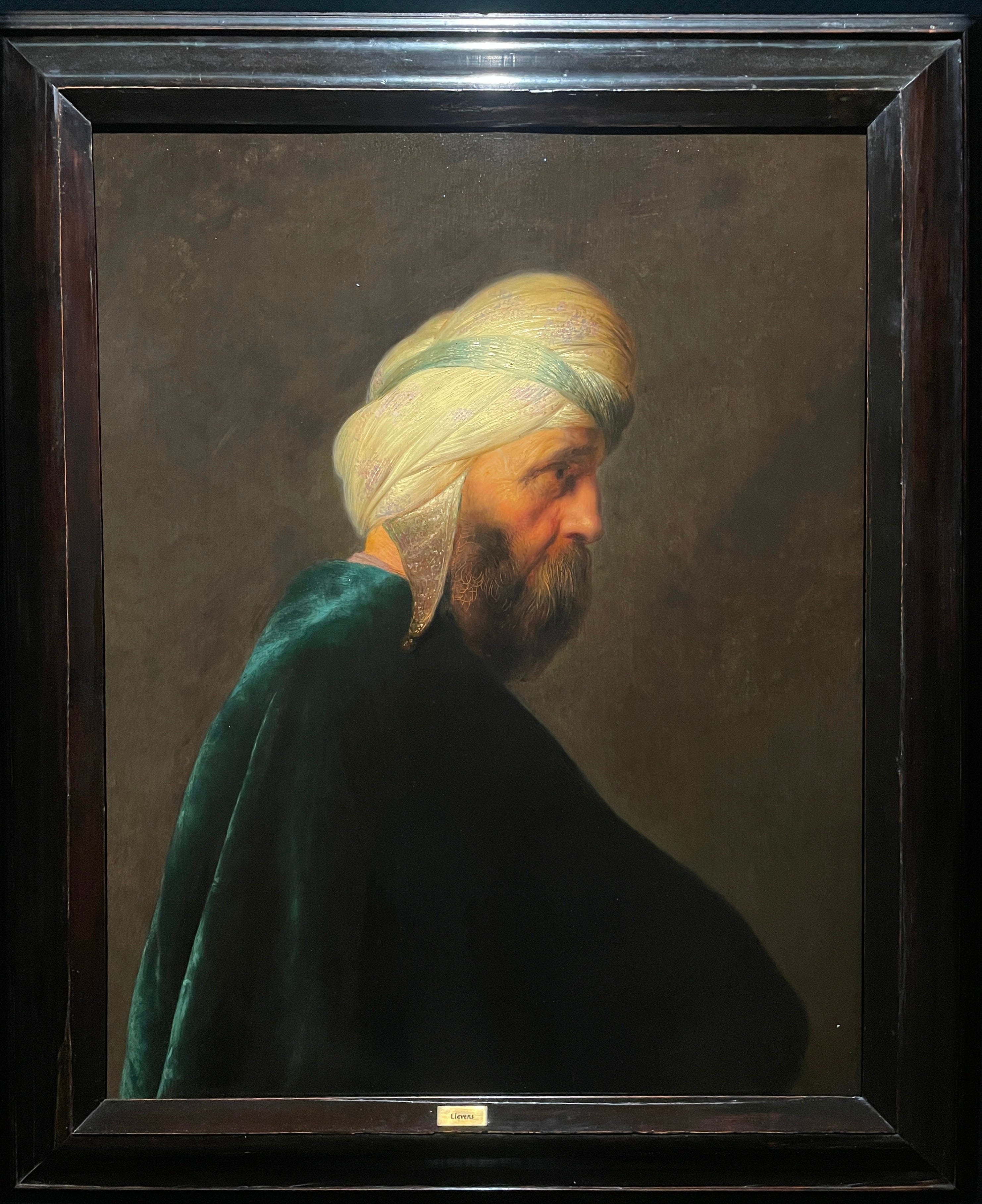
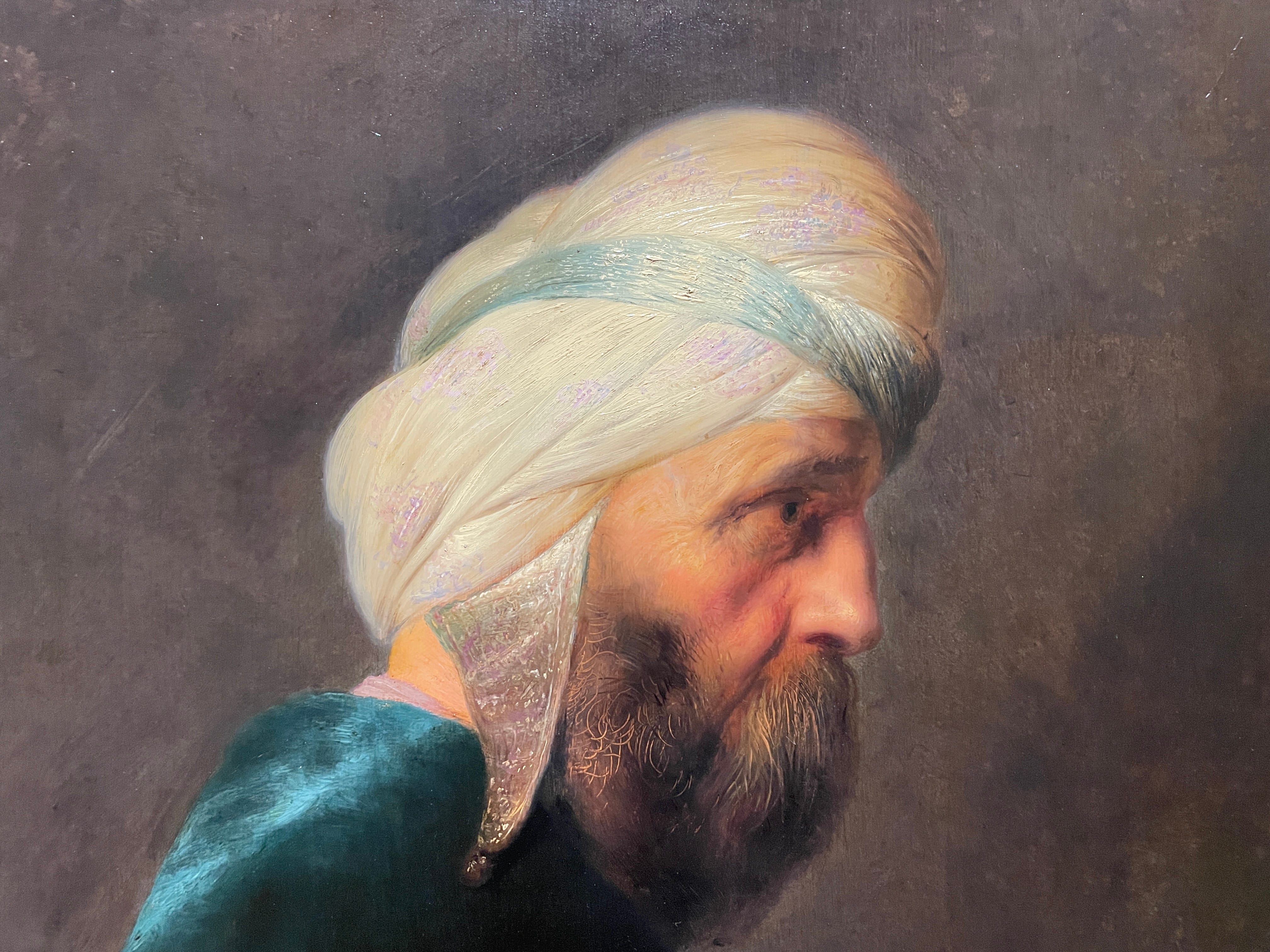
IN HIS STUDIO IN LEIDEN, the Dutch painter Jan Lievens positions his model on a chair. An old man swathed in a thick green-blue cloak and wearing an elaborate silk turban.
Lievens pulls up his easel to the right of the man.
The task is to paint a tronie.
A tronie (the Dutch word means something like ‘mug’, as in ‘face’) is, roughly speaking, a painted character study, a portrayal of expression or a caricature.
They were made by Dutch painters of the 1600s for various reasons: to show off their skill; to paint portraits that weren’t portraits; or to create images that could be recycled in larger paintings, mythological, religious, historical.
The tronie might be laughing, crying, whistling, shouting, grinning, gurning.
With Lievens’ beturbaned man the mood is calm, thoughtful even. Lievens was not one for wild expression or the excesses of physiognomy, but used tronien as a means of summoning striking, often monumental human presence.
Jan Lievens (1607-74) was one of the great Dutch painters of the seventeenth century, and spent his early career working alongside Rembrandt.
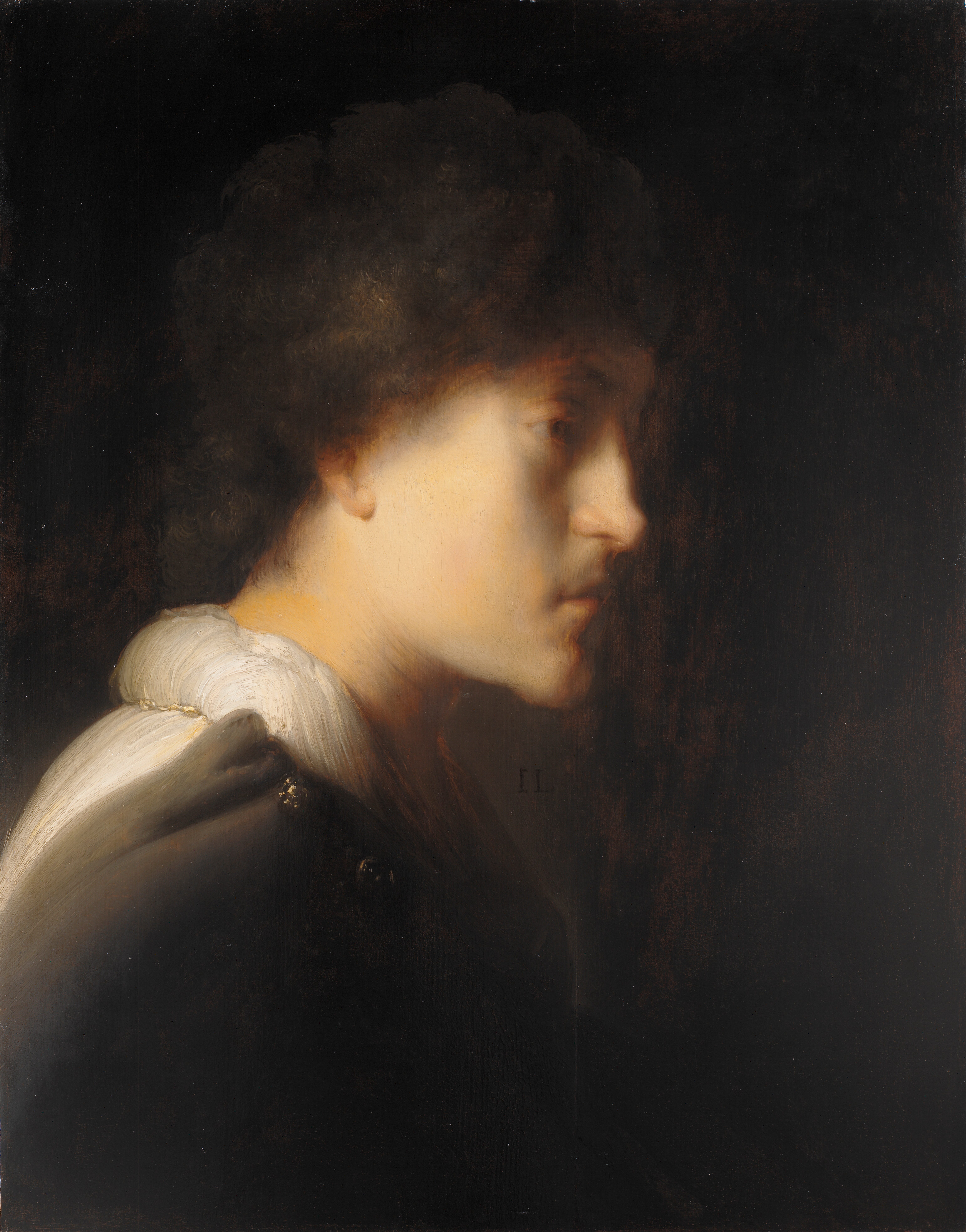
He could reduce human heads to the most unforgettable of apparitions. In his virtuosic self-portrait from the middle of the sixteen thirties he reduces his own features to a fleeting wedge-shape smudge of diffident light emerging from darkness.
The form of the man in Man with a Turban is given a similarly unexpected shape, the green-blue cloak covering his body so that his swathed head is like a bright rock about to tumble down a steep dark hill.
For the look of his painting, Lievens took his cue from Dutch painters working in the wake of Caravaggio. These were the so-called Utrecht Caravaggisti, the likes of Gerrit van Honthorst and Dirck van Baburen, who lent their figures presence through a dramatic light and shade.
We might be inured to this after a century of cinematic lighting, but at the time such spotlighting was revolutionary, lending a harshness and drama to images that must have seemed remarkably brash at the time.
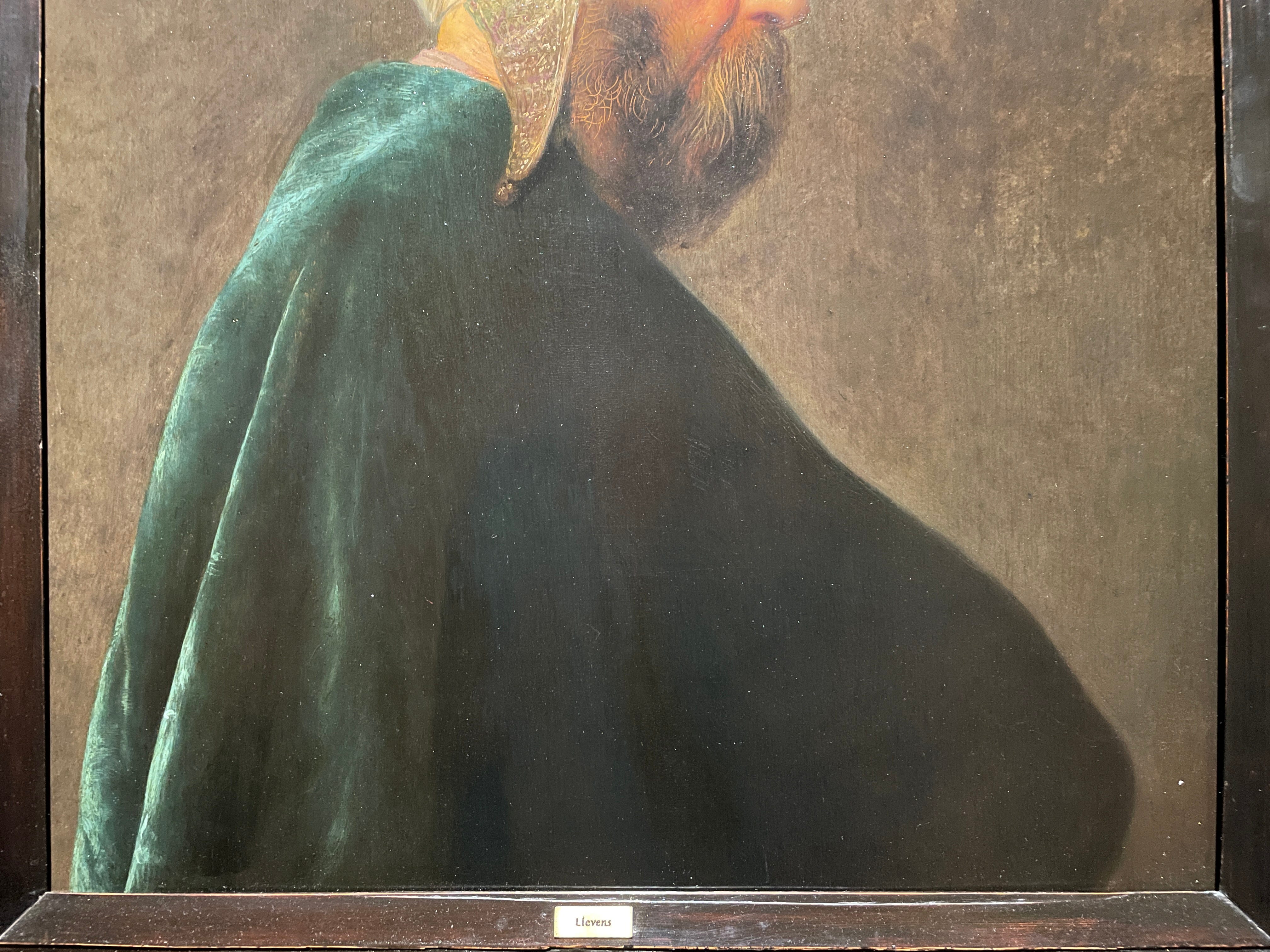
Lievens by contrast paints the turbaned man’s softly spotlit features with astonishing confidence and ease, creating a drama of glow, rather than contrast. The colours are extraordinary — ochre and lead white and umber, and a tiny streak of cerulean for the vein on the temple, laid down, we might imagine, in a single session.
But it is with the celestial form of the turban itself that he hits his highest note.
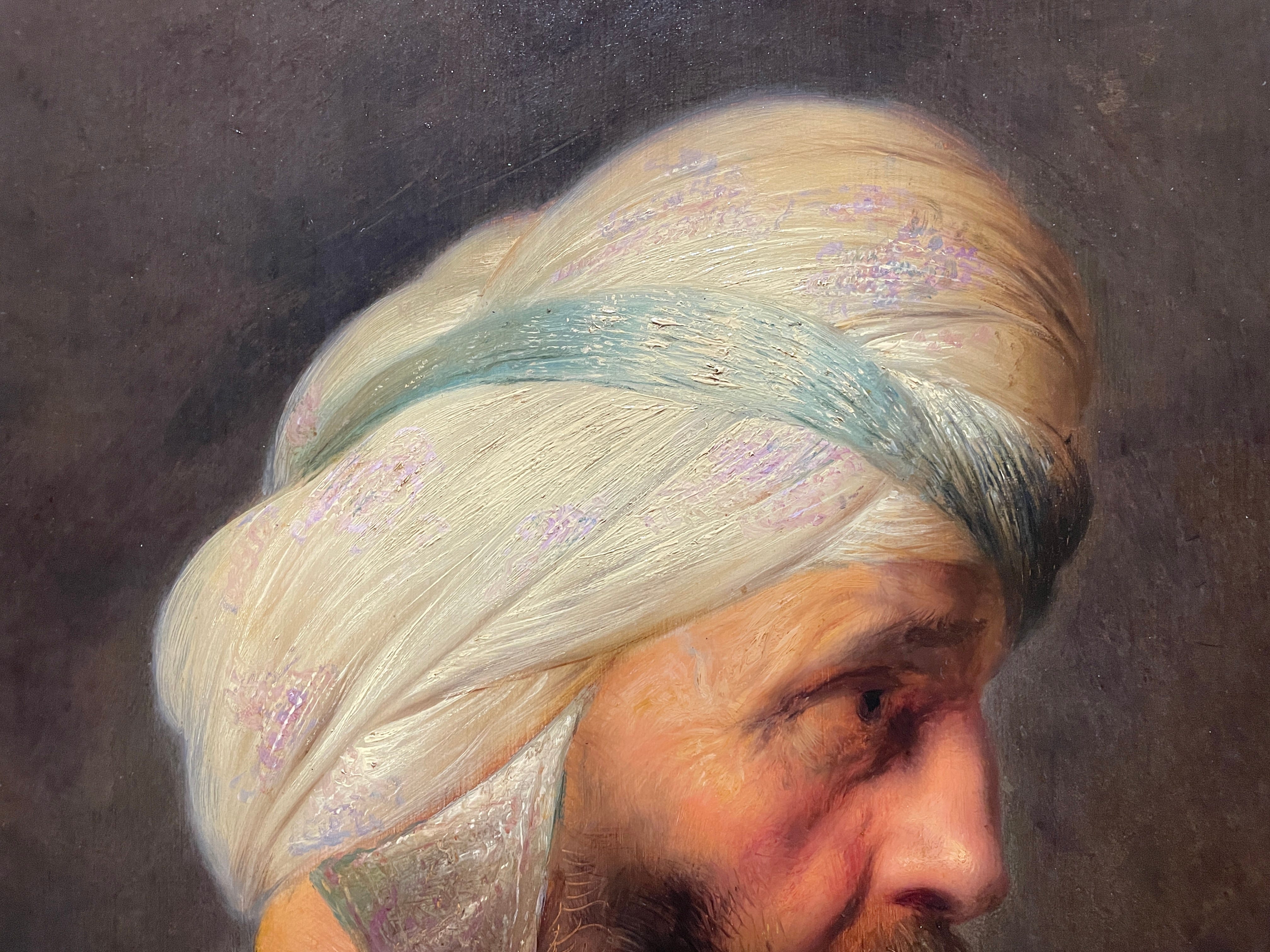
Thick strokes of lead pigment that conceal almost imperceptible traces of some mauve floral patterning, skeins of light blue, eau-de-nil, and naples yellow hiding in their folds, implicating, literally, darker greys and umbrous browns, the whole building to a tightly-knotted cosmos of luminosity.
The brush strokes performing this galactic miracle seem themselves to bind the turban tight, coursing at light speed like atoms in a molecule, but painted also with such finality that it seems pointless ever to try and paint a turban again. Lievens has done it, once and for all.
Having levitated his audience six feet in the air with this celestial head piece, leaving us gasping at such a virtuoso performance, with a final flourish he spins his brush in his fingers, like a supremely confident percussionist, and incises a set of perfectly judged lines in the wet paint of the old man’s beard, like sparks dropping from the pulsating turban above.
Great painting can make us see new colours, understand new ideas of light. It is why encountering such painting can be like falling in love — strange, transformative, unforgettable, and rare.
Goya does this — invent new colours, seemingly – in his tapestry studies hanging in the Prado in Madrid. Constable also in his full-size oil sketches and explosive late landscape studies, prefiguring the world of twentieth-century painting.
Lievens, an unjustly underrated painter (for once the claim really is true), does it in his tronien character studies made in the years around 1630 in his Leiden studio, in which he easily rivals his great friend Rembrandt, surpasses him even.
But then, what happened? Why is Rembrandt van Rijn the most famous painter who lived, and Lievens largely forgotten?